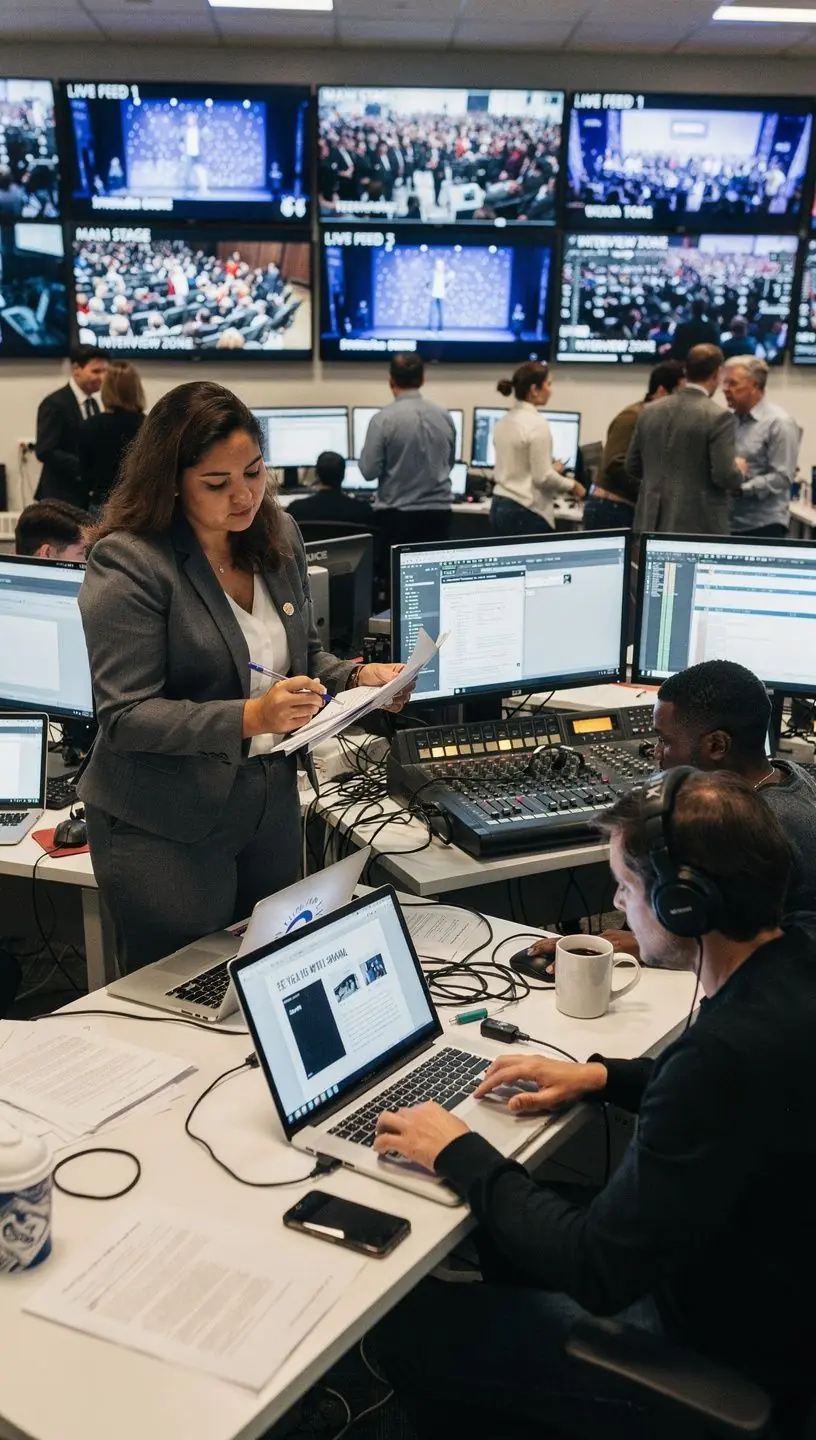
Analyzing the Social Aspects of Mafia Nights
Mafia Nights have become a popular way for communities to come together for a night of fun, strategy, and social interaction. This article aims to explore the social benefits of these events, examining how they foster community engagement and interpersonal connections, while also acknowledging the effort and commitment required to fully enjoy these gatherings.
Understanding the Basics of Mafia Nights
Mafia Nights typically involve players taking on the roles of different characters within a fictional town, navigating deception and strategy to either eliminate the mafia or protect it. According to research conducted by social psychologists, games that involve role-playing and strategic interaction can significantly enhance social bonding and collective problem-solving skills.
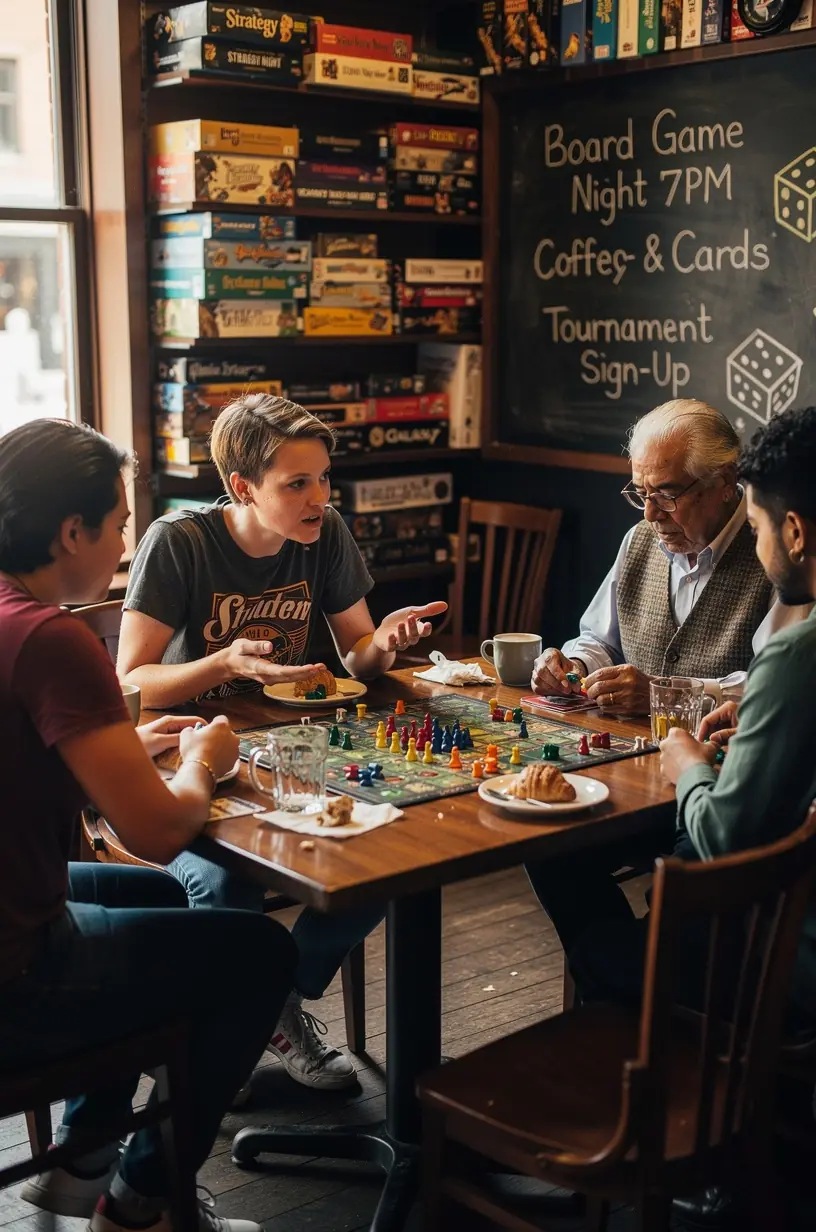
"Social games like Mafia promote interaction, provide avenues for creative expression, and help develop critical thinking." - Dr. Sarah Thompson, Social Psychologist
The Importance of Social Interaction
Participating in Mafia Nights can often lead to meaningful social interactions. Here are several reasons why:
- Community Building: Regular gatherings encourage relationships to form, which can lead to stronger community ties.
- Communication Skills: Players hone their ability to communicate effectively, as they must convey information and read others' cues.
- Conflict Resolution: Engaging in a game where deception is present helps players develop strategies for conflict resolution in real life.
Practical Application of Mafia Nights
For individuals or groups interested in hosting Mafia Nights, here are some practical insights:
- Organizational Commitment: Plan ahead as hosting a successful Mafia Night typically requires preparation, including setting up rules and gathering the right number of players.
- Regular Participation: For most participants, attending regularly can enhance the overall experience and foster stronger connections, as familiarity increases comfort and engagement.
- Feedback Mechanism: After each event, gather feedback to continually improve the experience. This could involve asking participants what they enjoyed and what could be enhanced in future gatherings.
Conclusion
Mafia Nights serve as more than just a game; they provide a platform for individuals to engage socially, develop communication skills, and strengthen community bonds. While these games require a commitment to regular participation and organization, the potential benefits to social cohesion and individual growth can be significant. By understanding the dynamics at play in these events, facilitators can create enriching experiences that resonate well beyond the game itself.